
FAQ
Get Clear Answers to Common Questions
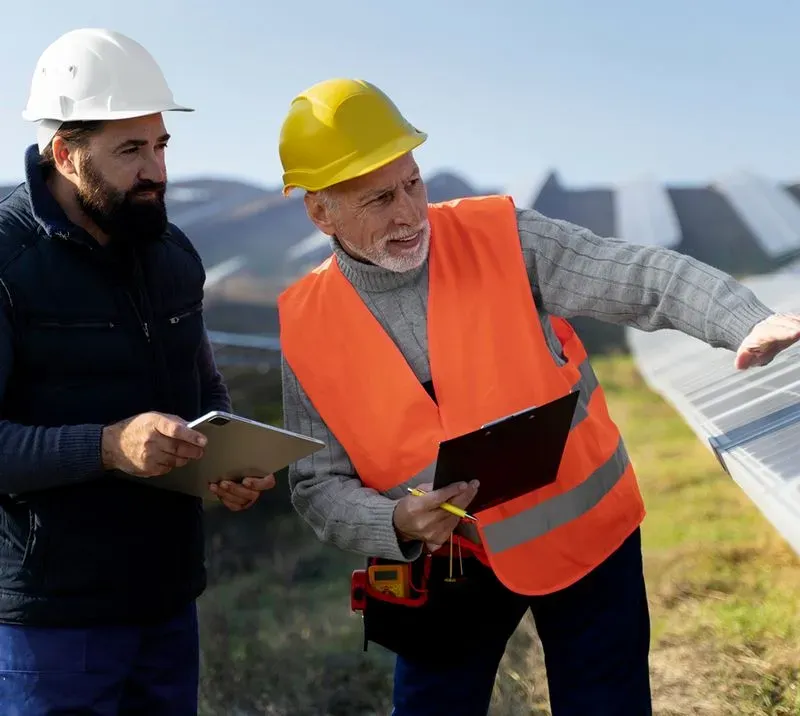
Solar panels capture sunlight and convert it into electricity using photovoltaic (PV) cells. That electricity powers your home or business, and any extra is sent back to the grid or stored in a battery for later use.
For most homes, yes. The upfront cost is significant, but a solar system sharply reduces or eliminates your electricity bill, adds to your property value and keeps saving for decades. Most systems pay for themselves within 5 to 7 years.
Most solar panels are built to last 25 to 30 years or more. They lose output slowly, around 0.5% to 1% a year, so they still perform efficiently after two decades on the roof.
Yes. Output drops on short, cloudy days, but panels generate power from light, not heat, so they keep working in overcast weather and cold temperatures. Cold panels are actually slightly more efficient.
In most areas the extra energy goes back to the grid through a program called net metering, which credits your utility bill and can bring your power costs close to zero.