
Solar Incentives & Rebates by State 2025 Guide
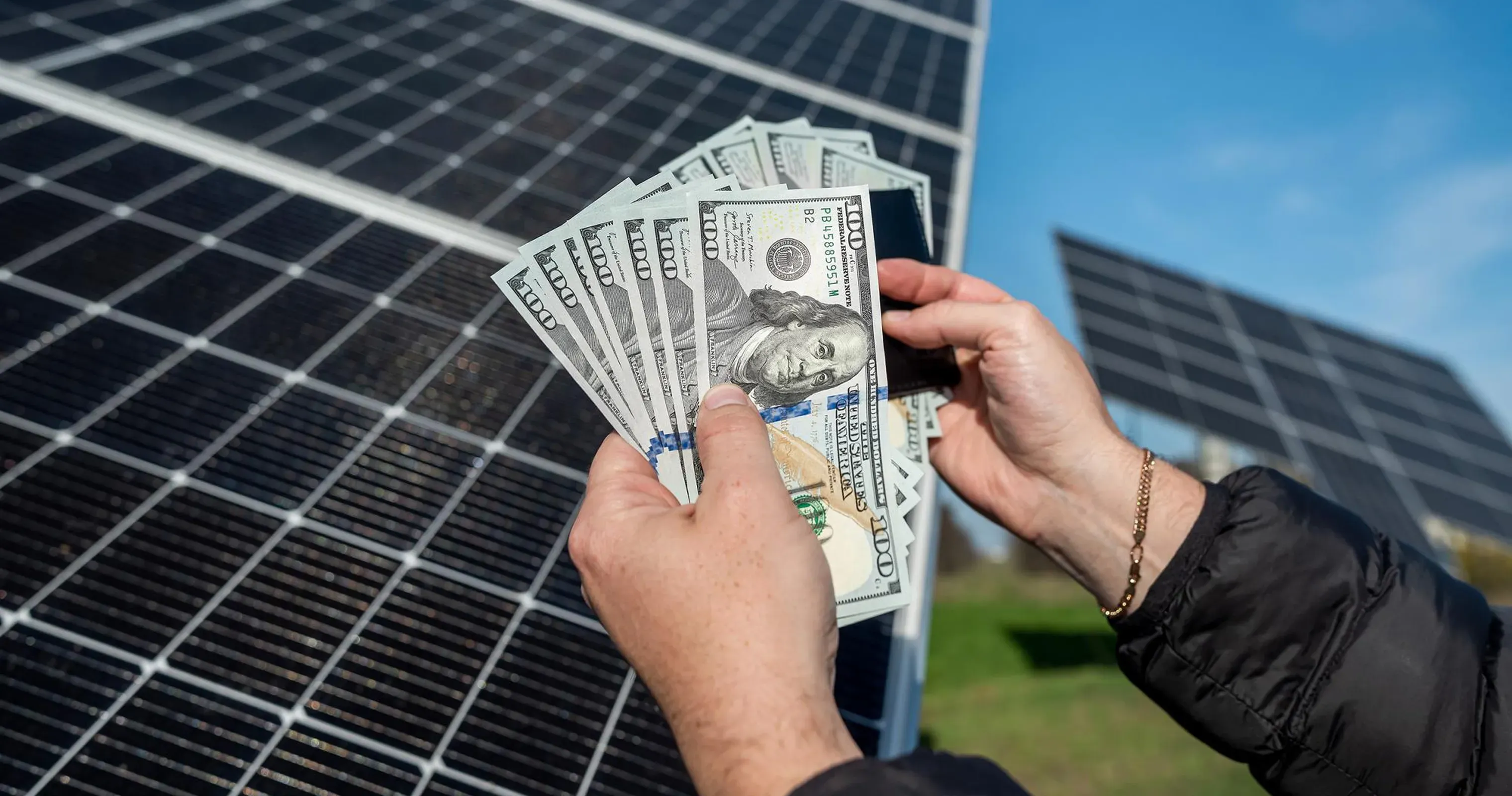
Incentives are the reason solar pays off so quickly today. They come from several levels of government and from utilities, and in many cases you can combine them. Here’s how they work.
The Federal Solar Tax Credit
The federal residential clean energy credit lets you subtract a percentage of your system’s cost from your federal income taxes. It applies to panels, inverters, batteries and installation labor.
State Rebates and Credits
Many states add their own tax credits or cash rebates. Some pay a fixed amount per watt installed, while others pay for the energy your system produces over time.
Common incentive types:
- Federal income tax credits
- State tax credits and cash rebates
- Utility rebates and performance payments
- Property and sales tax exemptions
“Between the federal credit and our state rebate, almost half the cost was covered. I had no idea how much was available until our advisor laid it all out.”
Utility Programs and Net Metering
Utilities may offer rebates or bill credits for the extra power your system sends to the grid. Net metering rules vary widely, so they’re worth checking before you size your system.
How to Stack Incentives
Most incentives can be combined, but the order sometimes matters for taxes. We research every program available at your address and include them in your quote, then handle the paperwork for you.